
Falling Is Free
By:
July 10, 2009
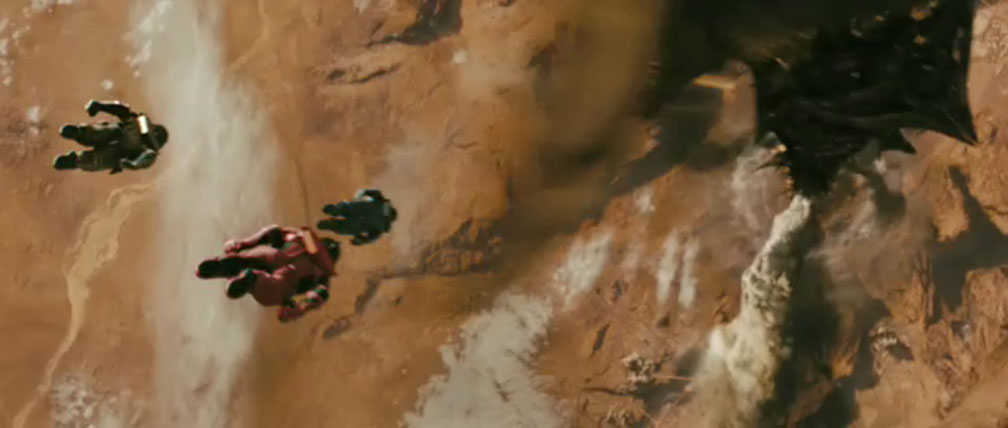
FREEFALL IS ONE chief theme in this season’s action films. One of the most scintillating scenes of the J. J. Abrams Star Trek movie has Kirk, Sulu, and a doomed redshirt skydive from suborbital altitude onto a mining platform with which the renegade Romulans were trying to destroy Vulcan. In sleek pressure suits, the threesome plummet headlong toward the sere surface of Spock’s doomed home planet.
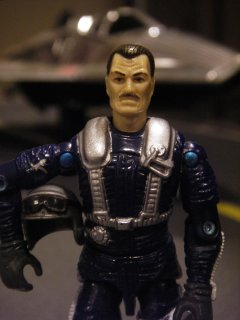
Orbital skydiving is an occasional but recurrent trope in the Trek mythos, occurring in several novels; a scene cut from Star Trek: Generations has Chekhov and Sulu watching for Kirk while he falls from orbit to rendezvous with them. But it’s cropping up elsewhere: a similar moment occurs in the forthcoming GI Joe; at 1:51 minutes into the trailer, a Joe “ejects” from some orbital war machine and plummets — again headfirst — to the (this time urbanized) surface:
Such images call to mind The Man Who Fell to Earth, which used Apollo footage to imply that David Bowie’s Thomas Newton literally fell through the Earth’s atmosphere to a splashdown in a New Mexico lake.
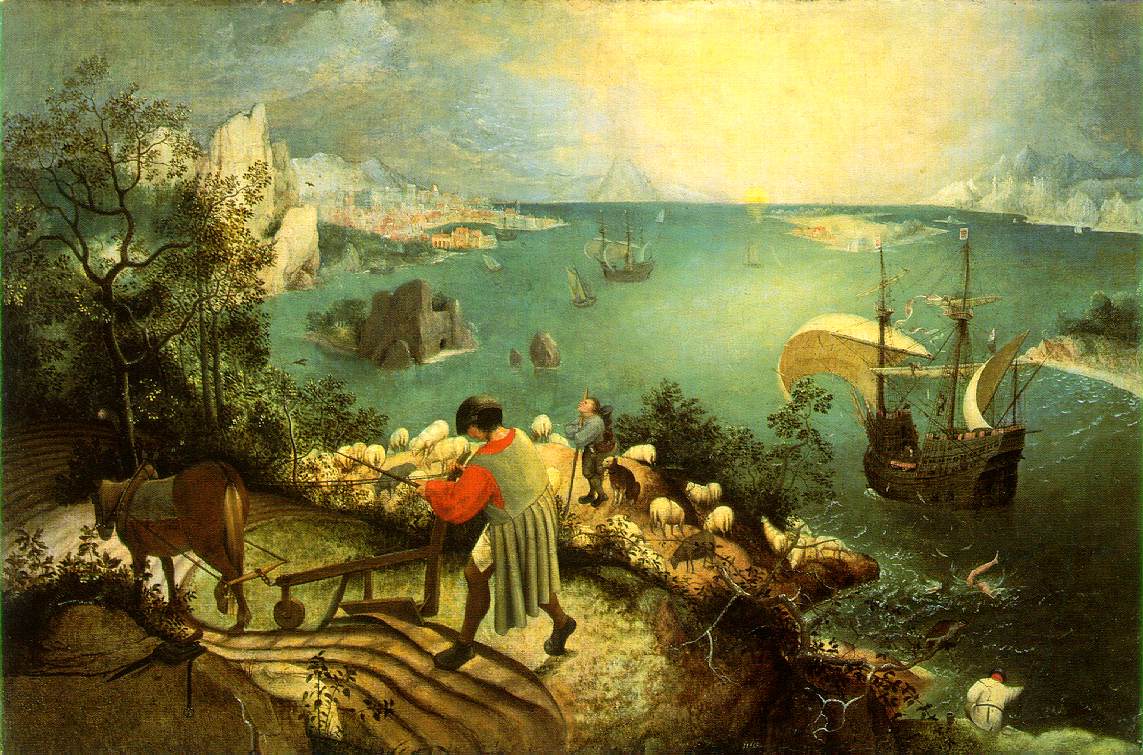
What’s going on here? Why is everybody falling? In the more recent films, heroes rocket planetwards at unimaginable velocities; in full dive they whoosh along at the limit of control. But most of the mythology of falling involves other sensations: loneliness, fragility, eternity. Vertigo and falling are profoundly important figures in existentialism from Kierkegaard to Sartre; for Heidegger, falling is the great metaphor for anxiety, that emotion which recognizes the uncanniness of very Being. But falling’s roots are deeper; as Gaston Bachelard points, it’s one of the primordial fears. Perhaps more than a warning against hubris, the myth of Icarus and Daedalus is simply the earliest narrative treatment of the power of falling. In Bruegel’s famous painting, Icarus’ fall is unremarkable to the busy burghers, sailors, and ploughmen. We’re always already falling, the Dutch master seems to be saying.
For reasons too recondite to bother with here, any fall from true orbit would be fatal. But it is possible to come close. In 1960, pilot Joe Kittinger ascended for an hour and a half in the modified weather balloon Excelsior III. At an altitude of 102,800, he jumped.
As he stepped to the edge of his gondola, 99 percent of Earth’s atmosphere was beneath Kittinger’s feet. He achieved the highest manned balloon ascent and the longest free fall, and became the first human to break the sound barrier outside an aircraft. And yet at that altitude, there is no sensation of falling — only the emptiness of space and the Luciferian attraction of the planet’s brightness.
Star Trek and GI Joe are thrilling — but Joe Kittinger shows us that Bruegel and Heidegger may come closer to the explaining the fall.